
Tolerance measured in microns. Documented to three decimals.
Every assembly exits inspection with a recorded runout, concentricity, and torque curve. Specification is not a range — it is an audited value.
≤ 0.003 mm verified at final inspection
Bore-to-shaft alignment within IT4 class
Full torque profile recorded, not estimated
Radial runout is measured on every shaft at three axial positions. No unit ships without a traceable recorded value against its declared tolerance class.
Bore concentricity is held to IT4 tolerance class across all production variants. Deviation from axis is recorded in the unit's inspection certificate.
Peak, continuous, and stall torque are plotted against RPM at temperature. The curve ships with the unit — not as a nominal datasheet value, but as a measured result.
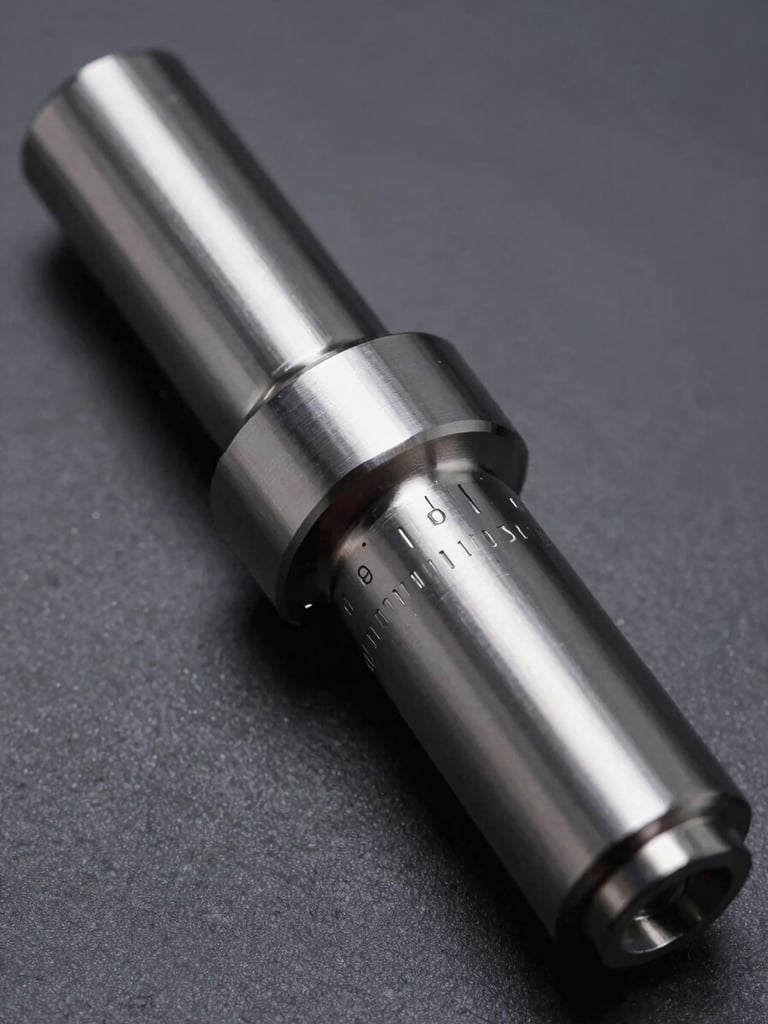
Mechanical audit embedded at every assembly stage
Verification is not a checkpoint at the end of the line. Dimensional checks occur at sub-assembly, pre-winding, and post-cure — each stage gated before the next begins.
The inspection record is cumulative: each stage's measurement feeds the final certificate. Auditors and procurement teams receive a document trail, not a summary stamp.
Decimal-place data on demand
Submit your application parameters and receive the full technical data sheet — tolerance class, verification protocol, and inspection certificate format — within one business day.